Industrial AI and Analytics Roadmaps
Clarify where the real business friction lives, assess the data reality behind it, and prioritize the use cases worth pursuing now, later, or not at all.
Genesis Lone Star
Turn operational data into practical business value through analytics, industrial AI, and adoption-focused execution.
The goal is not more dashboards or more hype. The goal is better decisions, stronger workflows, and measurable value.
Point of view
Many industrial companies already have data. What they do not always have is the structure, context, operating rhythm, and adoption needed to turn that data into practical value.
Genesis Lone Star helps identify where analytics is enough, where AI can create leverage, and what has to change in the data foundation or workflow for either one to succeed.
Start with the business problem. Understand the workflow. Fix the data foundation. Use analytics where analytics is enough. Use AI where AI creates real value. Scale what people actually use.

Founder leadership
Richard Maidla is a petroleum engineer by training with 15+ years of experience across oil and gas operations, engineering, data, analytics, and digital transformation.
His career spans field completions, production operations, process safety, offshore operations, and data and analytics leadership. Across those roles, he became known for translating between business teams, IT, OT, vendors, engineers, and executives.
About Genesis Lone StarCompany evolution
Genesis Lone Star was founded in the early 2000s by Dr. Eric Maidla to provide advanced drilling analytics services to the oil and gas industry.
Ownership has now transitioned to Richard Maidla. With that transition, Genesis Lone Star is expanding from advanced drilling analytics into broader industrial analytics, operational data strategy, connected-worker workflows, and targeted AI support for asset-intensive companies.
Operational friction
Industrial companies already have valuable data, but it is often fragmented, poorly contextualized, hard to trust, and disconnected from daily workflows.
Dashboards that do not match how teams work.
AI pilots that cannot scale beyond a demo.
Manual reporting that consumes time but does not improve decisions.
Valuable operational knowledge trapped across systems and people.
Business and IT teams speaking different languages.
Data quality issues that persist because users do not see enough value to change the workflow.
Capabilities
Senior-level advisory, design, pilot delivery, and adoption support for practical industrial analytics and AI work.
Clarify where the real business friction lives, assess the data reality behind it, and prioritize the use cases worth pursuing now, later, or not at all.
Improve how operational data is structured, contextualized, governed, visualized, and used in daily decisions.
Stand up targeted workflows where the value is clear, including root-cause support, asset-history synthesis, maintenance intelligence, and decision-ready dashboards.
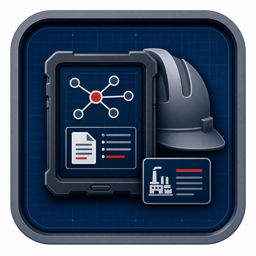
Shape targeted AI pilots that bring together operational context, documents, work history, asset information, and trusted data.
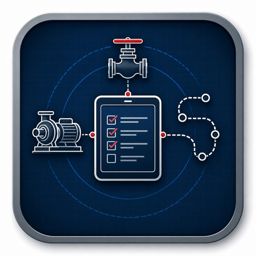
Digitize field workflows, operator rounds, inspections, checklists, and autonomous maintenance processes so frontline work becomes structured data.
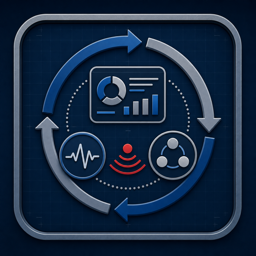
Make the change stick through stakeholder alignment, training, leadership communication, operating-rhythm design, and frontline adoption support.
Use cases
Genesis Lone Star is best positioned to help industrial teams with use cases where operational context matters more than generic AI capability.
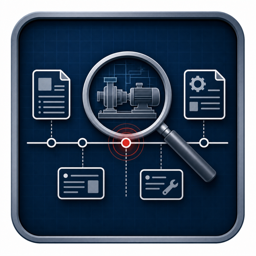
Design analytics and AI-assisted workflows that bring relevant operational context together so investigations move faster and with greater confidence.
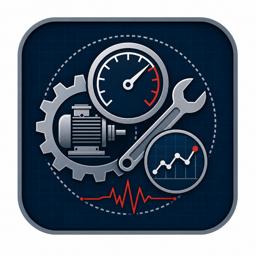
Connect maintenance and reliability data into practical decision-support views that help teams prioritize action.
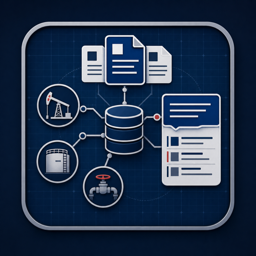
Design source-backed assistants grounded in trusted company data, SAP-style records, asset structures, time-series context, and operational events.
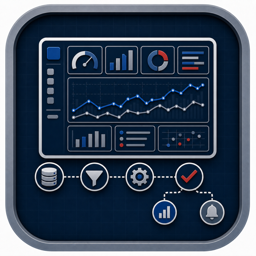
Design operational analytics that support real operating rhythms and reduce reporting friction.
Representative prior-role outcomes
These outcomes reflect Richard's prior corporate roles and the experience base behind Genesis Lone Star's advisory work.
Bridging engineering, operations, IT, OT, vendors, and advanced analytics.
Autonomously contextualized as part of prior corporate operational data work.
Brought into operational data foundations in representative prior roles.
Contextualized alongside approximately 600k tags for 300+ users.
Scaled in connected-worker workflows, with more than 19k completed tasks.
Supported a Zero-Based Budget analytics effort associated with this outcome.
Process
Every engagement starts with understanding the business problem, the workflow friction, and the maturity of the underlying data.
Identify where operational friction, decision delay, manual work, or data distrust is creating cost or risk.

Understand who does the work, what systems they use, where information breaks down, and what adoption will require.

Review data availability, context, quality, ownership, structure, and readiness for analytics or AI.

Separate what should be solved now from what requires more foundation work first.

Discovery
Start with a practical conversation about where the friction is, what the data can support today, and where analytics or AI can create real business value next.